Editorial only. Trading CFDs is high-risk — most retail accounts lose money. We are not a broker and not a financial adviser. Capital at risk. Verify regulation and terms directly with each broker before opening an account.
Forex Trading Education Free Guides
We believe quality trading education should be free and accessible. Our guides are researched against primary regulatory and broker sources, drafted with AI assistance and published by NorwegianSpark SA. Every article is regularly updated and designed to help you understand how markets work before risking real capital. We cover everything from basic concepts like leverage and spreads to advanced topics like algorithmic trading and risk management. Our educational content carries no affiliate pressure — it exists to build trust and informed traders.
Last updated: April 2026 · By Thomas Lovas Lokoy — researched and drafted with AI assistance from published sources; edited and published by NorwegianSpark SA
Related Guides
Our latest reviews and guides for this category.

 Strategy
How to Keep a Forex Trading Journal: What to Record, a Free Template and MT5's Built-In Report
A trading journal is the cheapest edge in trading. What to record for every trade, a copy-ready template, the weekly review that makes it useful, and how MT5's own report fills in the numbers. Capital at risk.
 Reviews
New Age Trading Review: What the Whop Community Offers
New Age Trading on Whop, reviewed from its own listing: free Discord vs Premium, the 4.8 rating, and what it does not publish. Not financial advice.
 Reviews
Full Port University Review: Whop Trading Community
Full Port University on Whop, reviewed from its own listing: the VIP Discord, the 4.6 rating, who runs it and what it does not publish. Capital at risk.
 Regulations
Negative Balance Protection: Can You Lose More Than You Deposit?
Negative balance protection stops you owing your broker after a market gap, but not on every account. See where it is law, what it excludes, how to check.
More Guides
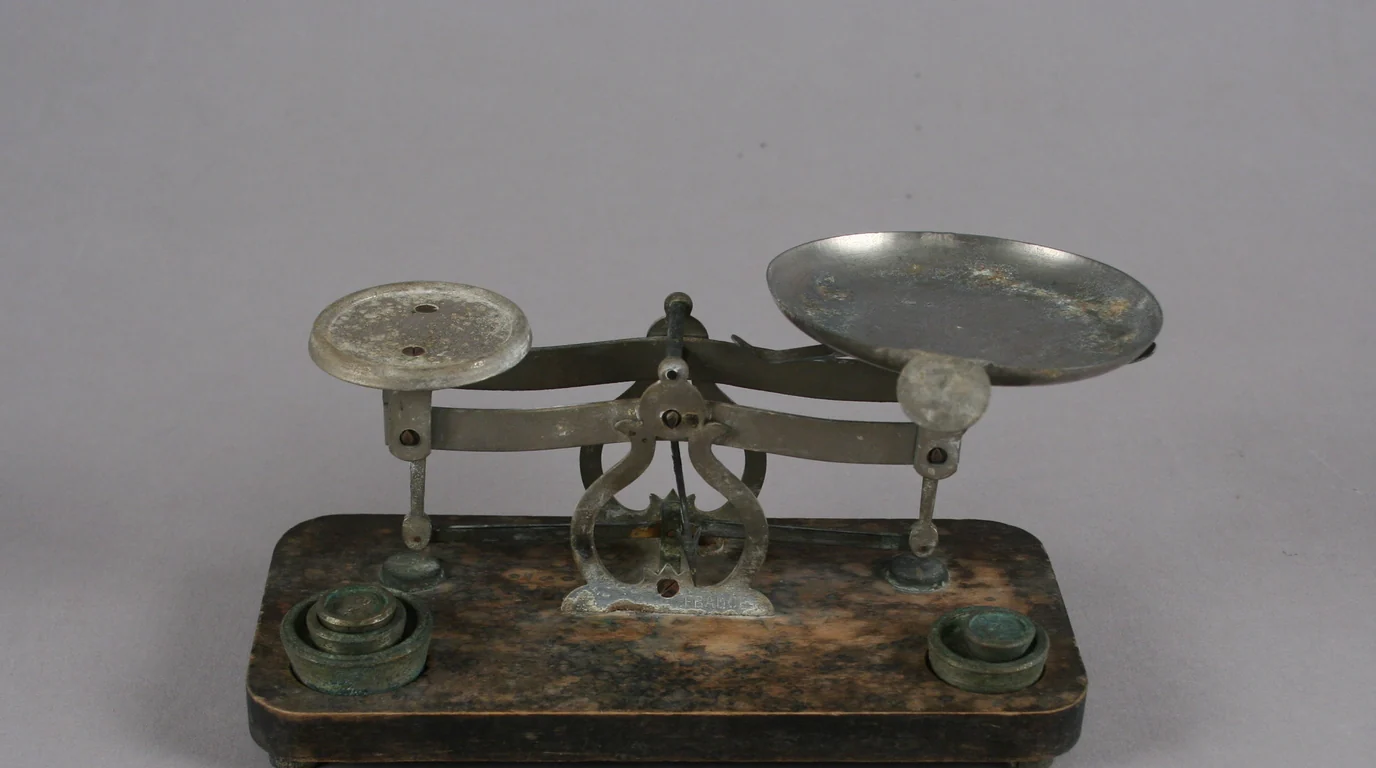
What Is a Nano Lot in Forex? The Smallest Trade Your Broker Will Take
What a nano lot is, and why a zero minimum deposit means little if the smallest trade risks half your balance. Lot sizes, pip values and margin worked out.

Inactivity Fees Explained 2026: Which Ones Charge and How to Avoid Them
The fee that empties small accounts is not the spread. It is the monthly charge that starts when you stop trading, usually four clicks deep in a PDF.
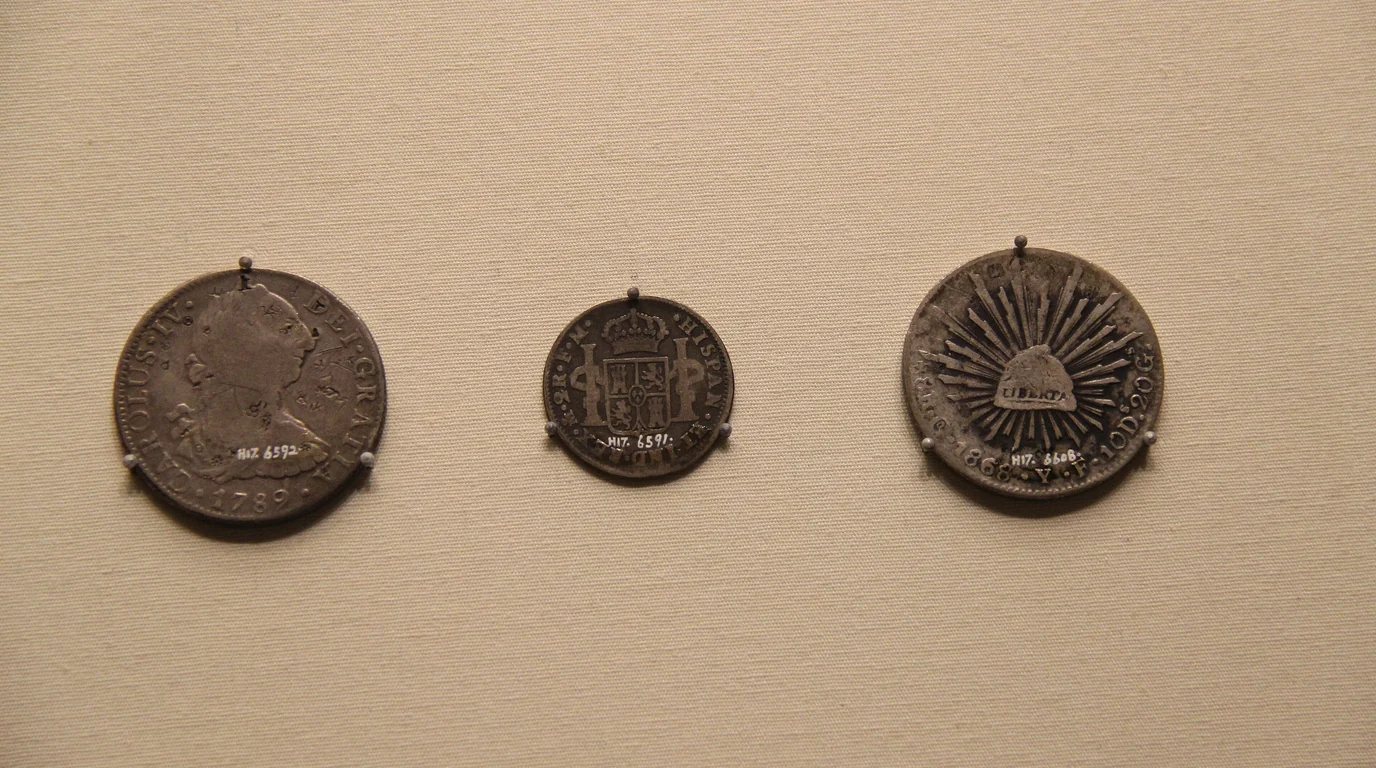
How Currency Conversion Fees Work and How to Dodge Them
Pick the wrong account base currency and you pay a conversion spread on the way in, on every non-matching trade, and on the way out. How to avoid it.

Can You Use a VPN to Trade Binary Options in Europe? (2026)
The connection works; that is not the part that fails. Where a VPN breaks down for binary options: at verification, at withdrawal and in the contract.
What the “Retail Investor Accounts Lose Money” Figure Actually Measures
Every CFD broker publishes one and almost nobody reads it correctly: it counts accounts, not money, and ignores every deposit and withdrawal you made.

The Carry Trade: Getting Paid to Hold a Position, and What It Costs You Later
Hold the right pair and your broker credits you every night. Where that money comes from, how swaps work, and why carry trades tend to end all at once.

Trading Sessions and Liquidity: Why the Clock Decides Your Spread
The same pair costs different amounts to trade depending on the hour. Forex sessions, overlaps, the rollover gap and the Sunday open, explained.

Currency Correlation: Why Your Five Positions Might Be One Position
Six open trades feels like diversification. If five are short the same currency, you have one trade at six times the size, and the risk arrives at once.
Stop Orders: What Actually Gets Guaranteed, and What Does Not
A stop-loss is an instruction to trade, not a promise about the price. The order types compared, and the one that really is guaranteed, at a cost.
$1 Billion in Payouts Sounds Great. Here's What the Number Hides.
Prop firms have paid traders over $1bn. The figure is real, and says almost nothing about your odds. What the payout headline measures, and what to check.

The Challenge Rule That Fails Most Traders Isn't the Profit Target
Almost nobody fails a prop evaluation on the profit target. They fail on daily drawdown, how drawdown is measured, and rules they never read. Decoded.

Funded Account or Your Own €2,000? I Costed Both Over 12 Months.
A prop evaluation is a paid option on someone else's capital; your own account is smaller but rule-free. What each costs over a year, and who it suits.
Slippage in Trading: How Brokers Price Execution Quality
Half a pip of adverse slippage adds $5 per standard lot, often more than the spread gap you compared. How brokers price execution and how to measure it.

ESMA Rules Explained: Forex Leverage Limits & Negative Balance Protection
What is ESMA and what leverage can EU retail traders get? 30:1 on major pairs to 2:1 on crypto, plus negative balance protection and the 50% close-out.

AvaTrade Fees & Spreads 2026: Commission, Inactivity Fee and the Real Cost of Trading
AvaTrade fees 2026: no separate commission, spreads built into its prices, a $50 inactivity fee after 3 months and $100 after 12, per AvaTrade's fees page.
Is Olymp Trade Available in the EU, Norway and the UK? (2026)
No for retail clients: Olymp Trade's fixed-time product may not be sold to retail traders in the EU, EEA or UK. Why, what is legal, and the alternatives.

Forex vs CFD vs Crypto Trading — The Differences Explained
Forex, CFDs and crypto compared: what you own, trading hours, leverage and risk — including the difference between a crypto CFD and buying the coin.

Forex Leverage and Margin Explained: Worked Examples and Legal Caps
How forex leverage and margin work: margin is notional divided by leverage, the legal caps in the EU, UK, Australia and US, and pips left before close-out.

Best Trading Tools & Indicators 2026
Indicators and signal services promise an edge. Some help structure decisions; many are noise or worse. How to evaluate trading tools without the hype.

How Long Should You Practise on a Demo Account?
How long to practise on a demo account: what a demo proves, what it hides (some brokers charge demos no interest), the cost arithmetic and a readiness test.

How to Choose a Reliable, Regulated Forex Broker (2026)
How to choose a good, regulated forex broker in 2026 — checking licences, spreads and red flags before you fund an account. Not financial advice.

What Does FCA Regulated Mean? FCA Regulation Explained for Traders
What FCA regulated means for your money: segregated client funds, FSCS cover up to £85,000, retail leverage caps, and how to check the FCA register.

Spread vs Commission in Forex: Which Pricing Actually Costs More?
Spread-only vs raw spread plus commission: how forex brokers charge, how to turn both into one cost per lot, and the break-even point for each.

How Leverage Works in Forex — Margin, Examples and Why It Wipes Accounts
What leverage means in forex, how margin and stop-outs work, worked examples at 30:1 and 500:1, and how to choose the leverage you use. Capital at risk.

MetaTrader 4 vs MetaTrader 5: Which Should You Use?
MetaTrader 4 or 5: which should you use? Most brokers still offer MT4 alongside MT5 (11 of the 15 on our file). The comparison that actually matters.

How to Spot a Forex Scam Broker: 12 Red Flags
How to spot a forex scam broker: 12 red flags to check before you deposit, from fake regulation and withdrawal traps to cold contact, and what to do next.
Risk Warning: CFDs are complex instruments and come with a high risk of losing money rapidly due to leverage. Between 51–89% of retail investor accounts lose money when trading CFDs. You should consider whether you understand how CFDs work and whether you can afford to take the high risk of losing your money.
This content is for informational and educational purposes only and does not constitute financial advice. Past performance is not indicative of future results.